About Dr. Adam Bletsoe · Pain Recovery & Performance Chiropractor
I help people make sense of pain and get back to their lives.
Pain Recovery & Performance Chiropractor
Based at Beachealth in The Beaches, Toronto.
I still care deeply about the body, movement, hands-on care and physical function. But after more than twenty years in practice, and through my own experiences with persistent pain, I’ve learned to look wider.
Pain is rarely just one thing. So when we work together, we pay attention to your body, your nervous system, your confidence, your recovery, your beliefs, your stress, and the life you’re trying to get back to.
The story behind the work
My work started with the body. It still does.
I became a chiropractor because I wanted to understand the body and help people who were struggling the way I had.
Early in practice, I focused heavily on joints, muscles, posture, movement, strength and mechanics.
Those things still matter.
But over time, I noticed something that changed the way I practised:
People with very similar physical findings could have very different experiences of pain.
Some improved quickly with physical treatment. Others stayed stuck.
That pushed me to look more deeply at pain itself — including the brain, the nervous system, stress, fear, confidence, recovery, and the way our experiences can shape what the body feels.
My own recovery and my clinical experience gradually came together.
They taught me to look at the whole person, not just the painful part.
A broader way of helping people with pain.
A broader way of helping people with pain.
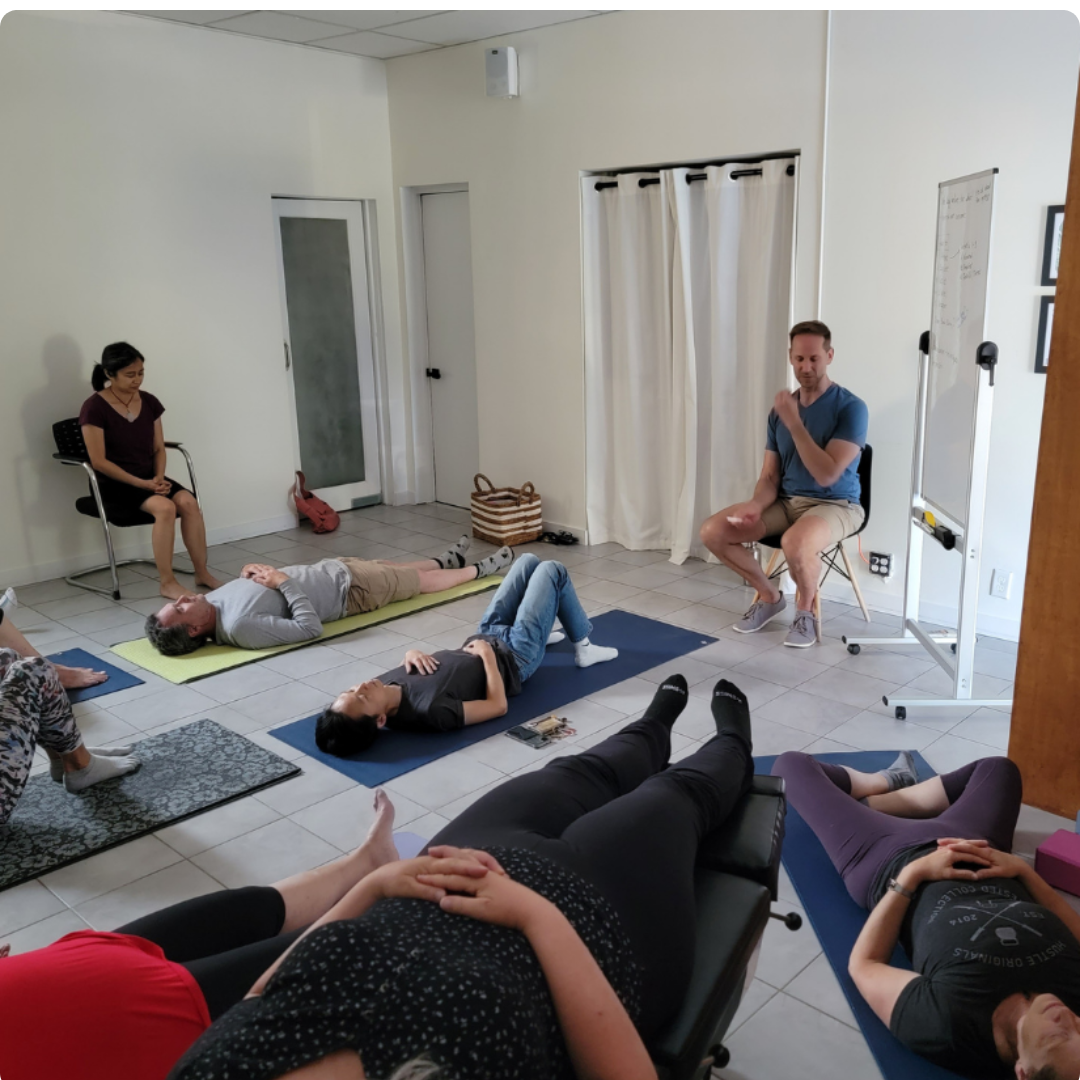
I still use hands-on care, movement and physical rehabilitation when they’re useful.
But I also help people understand why their nervous system may have become protective, how fear and stress can amplify pain, and how confidence can be rebuilt through safe experience.
That might include:
- hands-on care
- movement and strength
- pain education
- nervous system regulation
- mind-body strategies
- gradually returning to activities that have become difficult or frightening
There isn’t one treatment everybody needs.
We figure out what makes sense for you.
How I work
The whole person matters.
Your body is important. So are your experiences, your nervous system, your confidence, your recovery, and the life you want to get back to.
Listen first
Your experience of pain matters. We start by understanding what you’re dealing with and what you want to change.
Understand the pattern
We look beyond one painful body part and consider the physical, nervous-system and life factors that may be influencing your experience.
Rebuild confidence
Safe, meaningful experiences can help rebuild trust in your body and what you’re capable of doing.
Move toward life
The goal is not simply to manage symptoms. It is to help you return to the activities and experiences that matter to you.
The goal
The goal isn’t simply less pain.
Of course pain relief matters.
But most people aren’t really chasing a lower number on a pain scale.
They want to walk farther.
Exercise again.
Sleep better.
Work comfortably.
Travel.
Play with their kids.
Get back on the court.
Or simply stop organizing their life around what their body might do.
The goal is more life.
Start where you are.
You don’t need to know exactly why you hurt before we meet.
That’s part of what we work through together.
We’ll listen, assess, make sense of the pattern, and decide what the most useful next step is.
Dr. Adam Bletsoe
Helping people understand pain, rebuild trust in their bodies, and get more life back.